Understand solar panel costs, compare potential savings and explore battery storage. Start with the question that matters to you, then see what solar could do for your own roof.
 Roof suitability
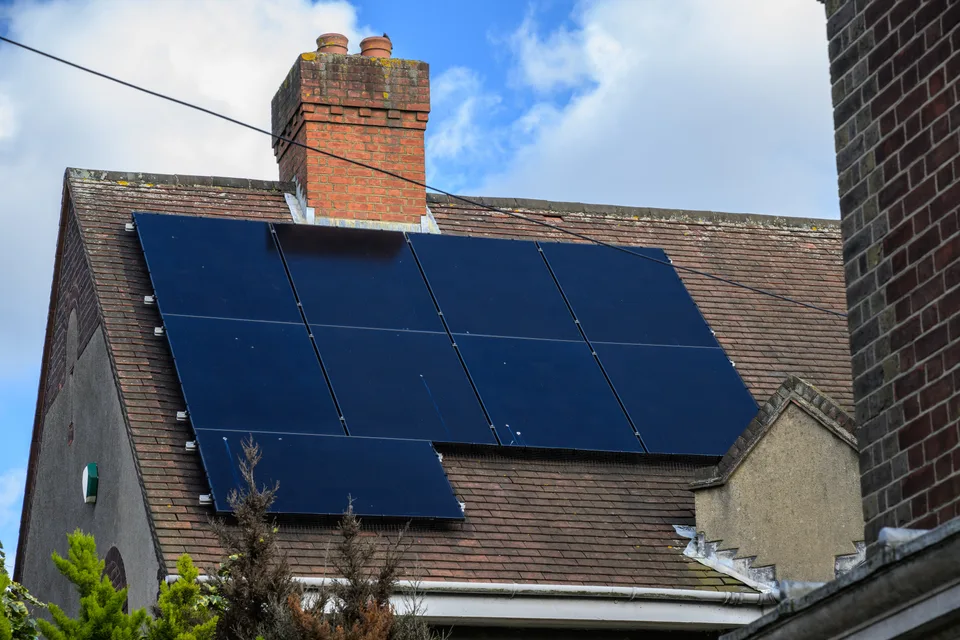
A roof may be suitable for solar if it has useful unshaded space, an appropriate structure and a practical installation route. A remote assessment helps with the first question; a survey must confirm the others.
Read the guide →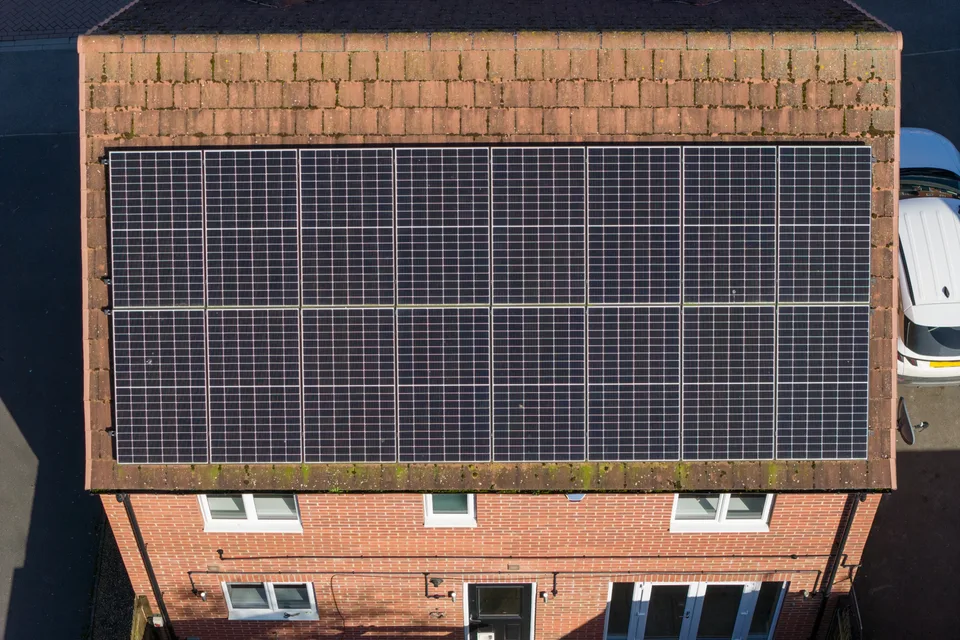 Roof suitability
The number of solar panels you need depends on your electricity use and how much each panel could generate on your roof. The number that will fit is a separate question: roof shape, panel dimensions, shade and clear space all matter.
Read the guide →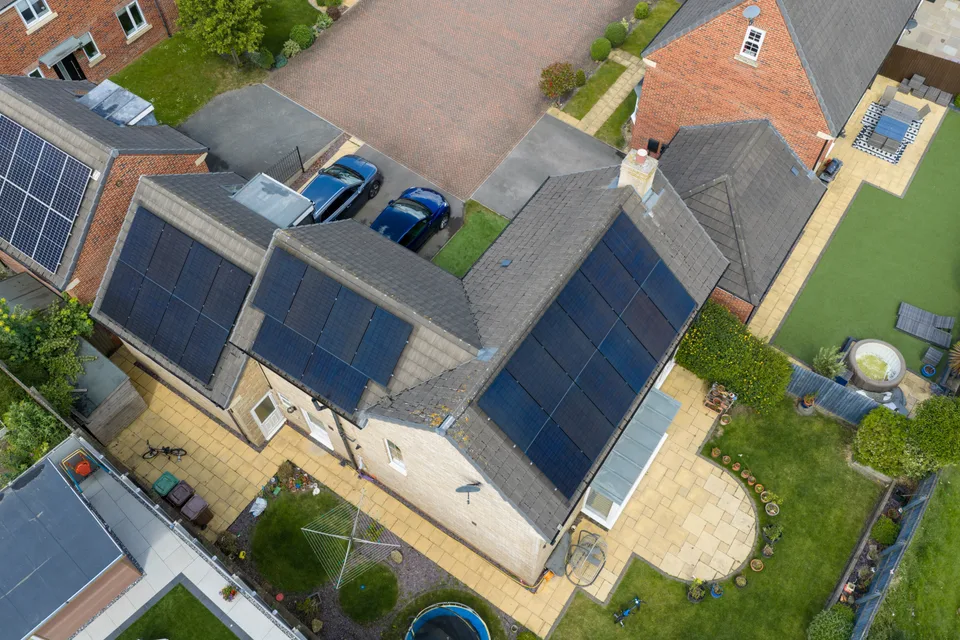 Roof suitability
A roof does not have to face south to be worth assessing for solar. East- and west-facing roof faces can also be useful; the best arrangement depends on generation, shading, available space and when electricity is used.
Read the guide →Generation and shadingSolar generation is usually estimated in kilowatt-hours per year. A useful estimate combines the proposed system’s capacity with the roof’s location, direction, incline, shading and modelling assumptions.
Read the guide →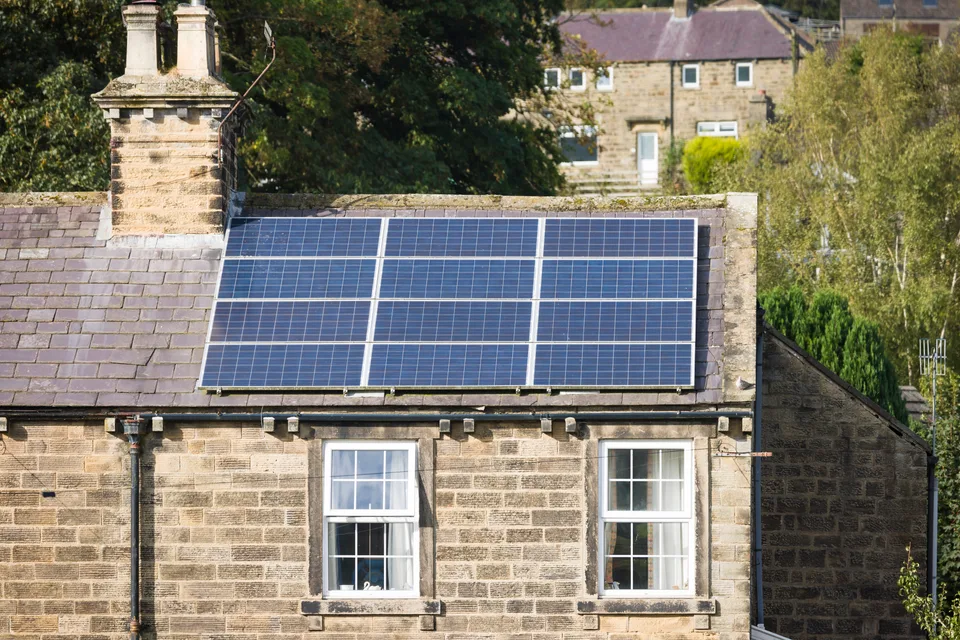 Generation and shading
Trees, neighbouring buildings and roof features can reduce the light reaching solar panels. The effect depends on where the shade falls, when it falls and the system’s design.
Read the guide →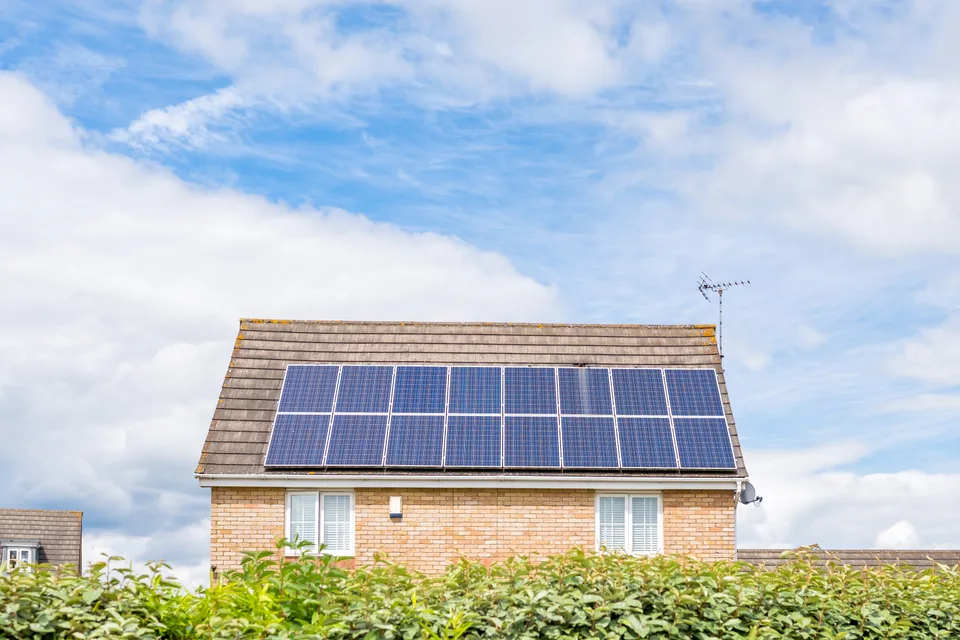 Generation and shading
Solar panels can generate electricity in cloudy weather and winter daylight, but output varies. Shorter days and seasonal conditions mean a summer result should not be treated as a winter expectation.
Read the guide →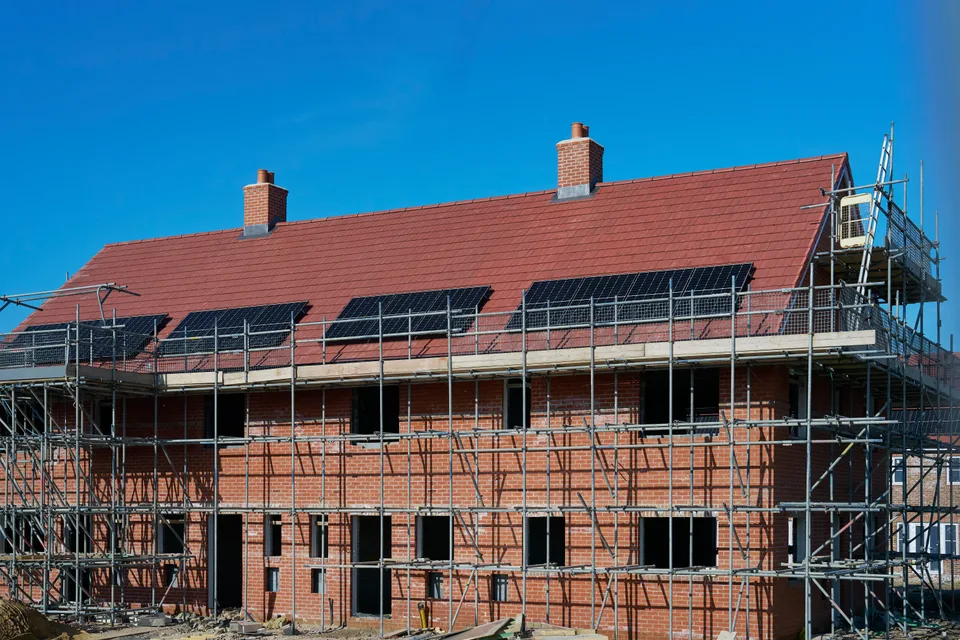 Costs and savings
Energy Saving Trust gives around £7,600 as a guide for a typical 4.5 kWp home solar panel installation. Your quote will depend on the system and the work your home needs; a battery is an additional cost.
Read the guide → Costs and savings
Solar savings come from buying less electricity from the grid and, where an export tariff applies, earning money for surplus electricity. The total depends on your roof, when you use electricity and your import and export rates.
Read the guide →Costs and savingsSolar panels can be worthwhile when the electricity they generate provides enough value to justify the installation cost. Compare your roof’s potential, expected bill savings and export income with the full price and ongoing costs.
Read the guide →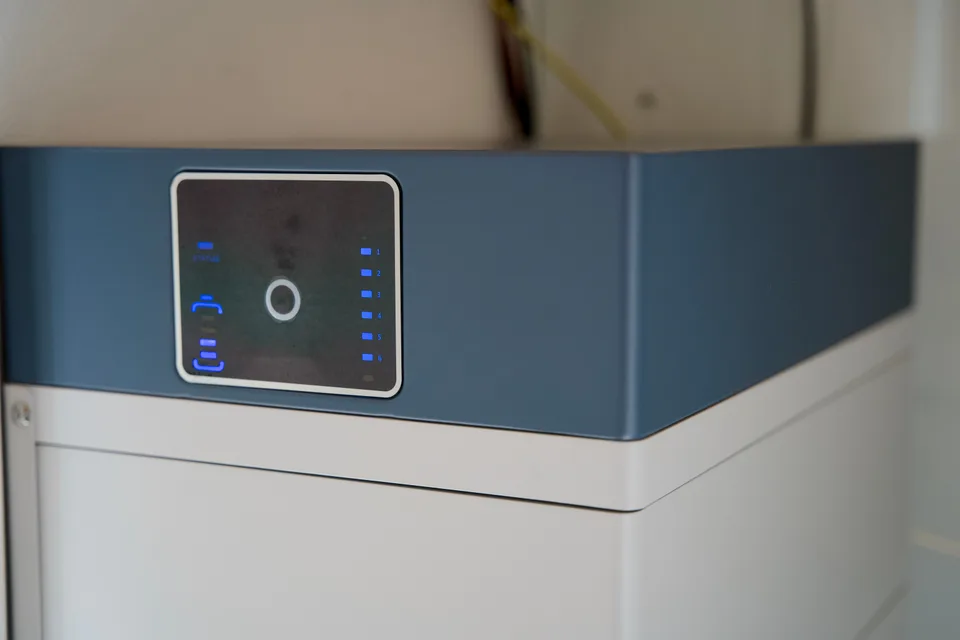 Batteries and home energy
You can install solar panels without a battery. Whether storage is worthwhile depends on when you use electricity, available solar surplus, tariffs, equipment compatibility and the extra cost.
Read the guide →Batteries and home energyThe right battery size depends on useful energy to store and later demand, not just the number of panels. Usable capacity and charging or discharging power are separate specifications.
Read the guide →Batteries and home energySolar can contribute to electric-car charging, especially when the car is at home during generation. It does not guarantee that every journey can be powered directly from the roof.
Read the guide →Assessment and installationVERA uses available property and roof data to model roof size and shape, a proposed panel layout and electricity generation. It may ask you to confirm details when the available information is ambiguous.
Read the guide → Assessment and installation
An online solar calculator is only as useful as its inputs, methods and disclosed assumptions. A personalised result should be judged by what it models and what has been validated, not by how precise its headline number looks.
Read the guide →Assessment and installationStart with your address, then enter your contact details to see your home’s solar results and get your free quote. VERA will be in touch about your quote.
Read the guide →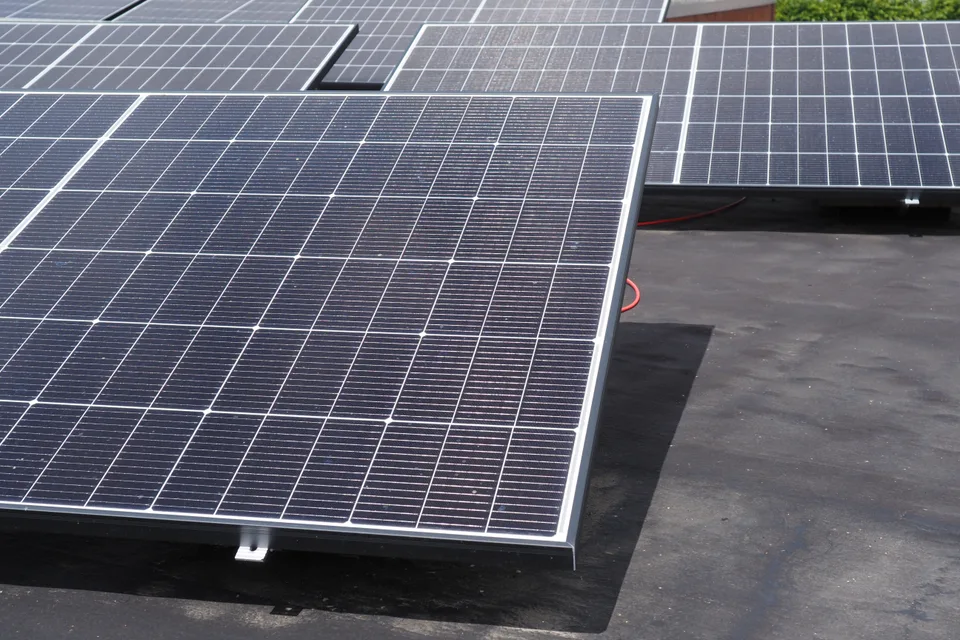 Roof suitability
Flat roofs can support solar installations, but the mounting arrangement, spacing, loading and roof condition need careful design. A flat-looking surface is not automatically a ready-to-use panel area.
Read the guide →Generation and shadingEast–west and south-facing systems can differ in both annual generation and its timing. Compare realistic panel layouts on your roof rather than choosing from direction alone.
Read the guide →Batteries and home energyThe timing of electricity use affects how much solar generation you can use directly. Annual consumption alone cannot show whether your demand coincides with sunny hours.
Read the guide →Costs and savingsCompare solar quotations on design, assumptions, equipment and installation scope before comparing their headline prices. Two quotations can describe quite different systems for the same house.
Read the guide →Costs and savingsEnergy Saving Trust gives around £4,600 as a guide for a 5 kWh battery system. Your installed price depends on the equipment and the job, so compare the usable capacity and included work as well as the total.
Read the guide →Costs and savingsA useful solar-and-battery quote separates the panel installation from the extra cost of storage. Compare solar alone with solar plus a battery on the same roof, usage and tariff assumptions before deciding which offers better value.
Read the guide →Assessment and installationThe best solar panels for your home are the ones that fit a sensible roof layout and offer a suitable balance of generation, installed cost and support. Compare complete designs rather than choosing solely by the highest wattage on a panel label.
Read the guide →No guides match yet. Try a broader search or choose all topics.