Generation and shading
How do trees and nearby buildings affect solar panels?
Trees, neighbouring buildings and roof features can reduce the light reaching solar panels. The effect depends on where the shade falls, when it falls and the system’s design.
By VERA · Reviewed
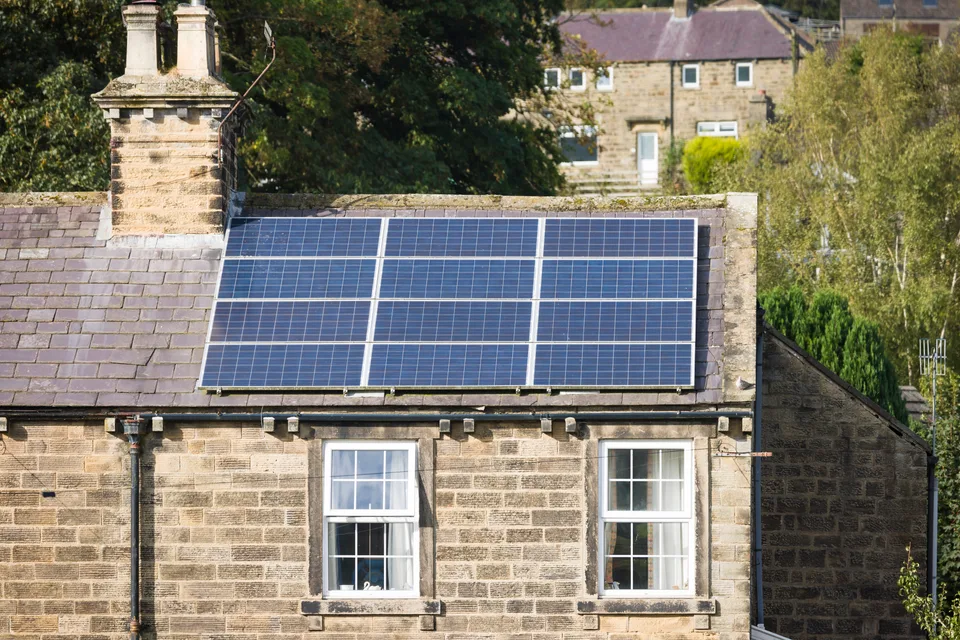
A shadow is not a permanent boundary
Sun position changes during the day and across seasons. A roof that looks clear in one photograph may be shaded at another time. Trees also change over time, and a dataset may not reflect recent growth or removal.
Consider layout as well as equipment
Panel placement can avoid some shaded areas, but leaving out panels also reduces capacity. Electrical design and equipment choices may influence the effect of partial shade; they do not make missing sunlight disappear. Compare the whole proposed arrangement rather than a claim that one component solves all shading.
Check the local evidence
Mention tall trees, chimneys and recent building changes when discussing the quote. VERA uses available environmental data in its modelling, but cannot guarantee that every small or newly changed obstruction is represented. A survey should check important uncertainties before installation.
Sources and further reading
This guide gives general information. Your assessment is an estimate; installation design, suitability and price need confirmation for your property.
Keep exploring
- How much electricity could solar panels generate on my home?
- Do solar panels work in winter and cloudy weather?
- How do east–west solar arrays compare with south-facing panels?